
What to Expect During a Medical Marijuana Consultation?
Written by QuickMedCards. Updated February 23, 2026
Looking for relief but don’t know where to start? A medical marijuana consultation can help. It’s a short visit, in person or online, where a licensed clinician reviews your symptoms and goals. Together, you’ll see if medical cannabis might be right for you under your state’s rules.
This isn’t a quick “weed check,” and it’s not a replacement for your primary care doctor. Think of it as a focused conversation about potential benefits, risks, and next steps. You’ll share what you’ve tried, how symptoms affect you, and the relief you want, like better sleep or less pain.
By the end of this page, you will have the answers to these questions:
- What is a medical marijuana consultation?
- Who should book a medical marijuana consultation? How to prepare for it?
- What happens during a medical marijuana consultation?
- What is the difference between telehealth and in-person consultation?
- What questions should you ask your cannabis doctor?
- What are the benefits and risks of using cannabis?
- What happens if you are approved? What if you aren’t approved?
- How often do you need follow-ups and renewals?
- What safety reminders should you keep in mind?
Looking for a Medical Marijuana Doctor?
What is a Medical Marijuana Consultation?
A medical marijuana consultation is just a simple doctor’s visit, usually done online. It helps you figure out whether cannabis could be a good fit for your health needs. It also verifies whether you meet the requirements of your state’s cannabis laws and program rules.
In most states, the clinician gives you a recommendation or certification. It’s not a standard prescription because cannabis is still illegal under federal law.
It’s also your chance to talk through how cannabis might affect you personally, including possible side effects, medication interactions, and mental health concerns. A good visit should feel like a two-way conversation, not a one-sided exchange.
Talk to a cannabis doctor today and get certified for medical marijuana.
Who Should Book a Medical Marijuana Consultation
Many people seek evaluations after living with symptoms that are hard to control or after side effects from other treatments. What “qualifies” varies by state, but consultations often involve conditions such as:
- Chronic pain (including nerve pain)
- PTSD and anxiety-related symptoms (where allowed)
- Cancer-related symptoms, including nausea and appetite issues
- Multiple sclerosis-related spasticity
- Migraines, sleep problems, or other persistent symptoms (state-dependent)
It’s normal if you’re unsure whether you qualify. We have made it easy for you to check the qualifying conditions in your state.
How to Prepare Before Your Appointment
Getting ready for a medical marijuana consultation doesn’t have to be stressful. Having a few things ready on your phone or computer can make the appointment go smoothly. It also helps your clinician give guidance that fits you. A little preparation can make your visit smoother and more productive.
What to Bring to a Medical Marijuana Consultation
Try to have all the required documents ready. If you’re missing something, don’t panic. Many clinicians can still evaluate you, but having paperwork on hand can make the process smoother.
Common items to gather:
- A government-issued photo ID
- Proof of residency (if your state requires it)
- Any relevant medical records (visit summaries, diagnosis paperwork, imaging reports, medication list)
- A list of your current medications and supplements
- Notes about your symptoms (how often they happen, severity, triggers, what helps)
If you use cannabis already, be honest about what you’ve tried, including how much, how often, and any side effects. Your clinician is there to reduce risk, not to judge you.
What to Write Down Before Your Appointment
Not sure what to say to your cannabis doctor? A little prep makes a big difference. Before your appointment, think through these four things:
- Your top 1–3 symptoms: What’s affecting your quality of life the most? Be specific. “I wake up three times a night” is more useful than “I don’t sleep well.”
- How your symptoms impact your day: Think work, sleep, mood, and mobility. Your doctor needs the full picture, not just the diagnosis.
- What you’ve already tried: Medications, supplements, lifestyle changes. Note whether they helped, didn’t work, or caused side effects.
- Your concerns going in: Worried about feeling too high? Anxious about drug testing or privacy? Bring it up. There are no bad questions.
Having this information ready will make it easier to discuss the essential points with your doctor. It would also ensure you don’t forget anything.
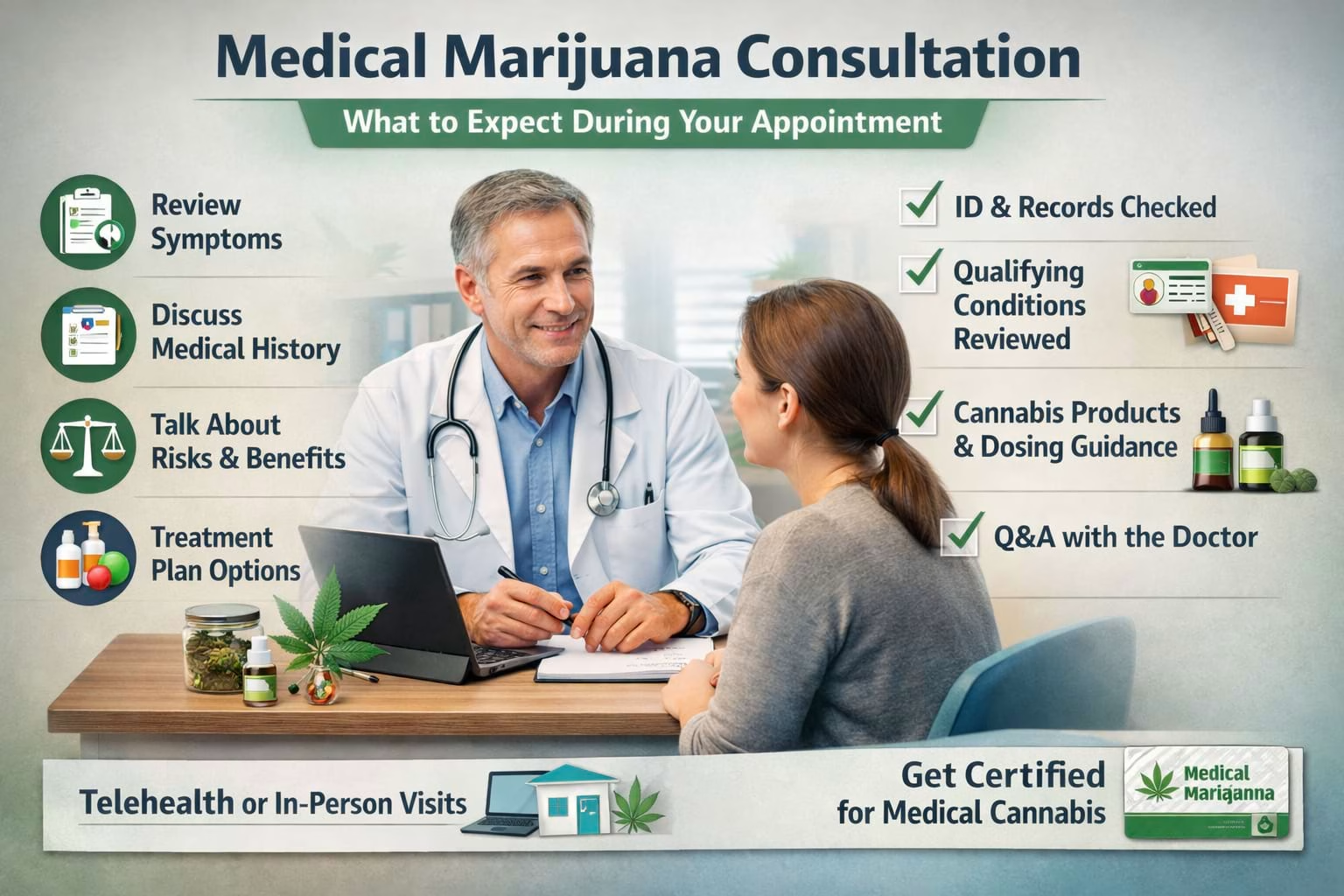
What Happens During a Medical Marijuana Consultation
Most consultations follow a familiar routine. The details can vary by state and whether your visit is online or in person. But here’s what most patients can expect.
Step 1: Intake and Identity Verification
You’ll usually confirm your identity and basic information. If the visit is virtual, you may show your ID to the camera and verify your location.
You’ll also complete a short intake form about your condition, symptoms, and medical history. Accuracy matters here, especially around medications, allergies, and mental health history.
Step 2: Medical History and Symptom Review
The clinician will ask what you’re dealing with and what you’ve already tried. They might ask questions like:
- What diagnosis have you received, and when?
- What symptoms are you dealing with now?
- What treatments have you tried, and what side effects did you have?
- What does a “good day” look like for you, and what’s getting in the way?
While discussing your conditions with the doctor, be as specific as possible. “My back hurts” is useful, but “my pain is daily, worse at night, and I wake up 3 times” is far more actionable.
Step 3: Safety Screening and Risk Factors
Let your doctor know if you are experiencing any of the following concerns:
- Heart conditions and blood pressure issues
- History of psychosis or severe mania (cannabis can worsen symptoms for some people)
- Pregnancy or breastfeeding (avoid cannabis unless a clinician advises explicitly otherwise)
- Substance use history
- Work safety and driving needs
These questions won’t automatically disqualify you. They help shape a safer plan or guide you to alternatives if cannabis is not a good fit. You can also review the cannabis safety guidance for more information.
Step 4: Discussing Whether Cannabis Could Help Your Symptoms
Feel free to bring up your condition and ask if cannabis could help with your treatment. Research increasingly shows that cannabis can be effective for a range of medical conditions.
For example, for chronic pain, an extensive analysis found that non-inhaled cannabinoids provided minor improvements versus placebo for some patients. That does not mean cannabis works for everyone, but it supports a careful, monitored trial for some people.
In case you want to know more about how cannabis can help with certain medical conditions, you can visit the following pages:
- Chronic pain
- Nerve pain
- PTSD
- Migraine
- Multiple Sclerosis
- Epilepsy
- Cancer
- Alzheimer’s Disease
- Inflammatory Bowel Disease
Step 5: Finalizing a Starting Plan (Products and Dosing Approach)
If cannabis is appropriate for you, the clinician may recommend a starting plan based on your goals, experience level, and schedule. Most plans include:
- A product direction (THC-forward, CBD-forward, or balanced)
- A method (inhaled, tincture, edible, topical)
- A recommendation to start with a low dose and increase slowly, especially with edibles, because they take longer to kick in and their effects last longer.
Clinical safety guidance and reviews commonly recommend starting with low doses and waiting a sufficient time before increasing the dose. Understanding the difference between THC and CBD can help guide your starting plan safely.
Not every doctor goes through this step, but some like to talk with you about a simple starting plan and how to use cannabis safely. Others may not discuss it because many patients seeking a medical marijuana certification already plan to choose THC.
Leave with Clear Next Steps
By the end of your consultation, you should clearly understand:
- Whether you’re approved based on your state rules and clinical judgment
- Any documentation you’ll receive (recommendation or certification)
- How long it’s valid (varies by state)
- What follow-up might look like
- Safer-use basics, including avoiding driving while impaired
If you’re ready to take the next step with a licensed provider from home, Quick Med Cards can help you schedule quickly and securely.
Telehealth vs. In-Person Consultations
Telehealth consultations are common in many states, but availability and requirements vary. The biggest differences are convenience and logistics.
Telehealth can be convenient and private, while in-person visits may feel more familiar. In many cases, the clinical conversation is the same: history, symptoms, safety screening, and next steps.
The main difference is the state rules. Some states allow telehealth broadly, others require an in-person visit at least once, and some have extra steps for first-time patients.
Because rules change, check your state’s current requirements before booking. In case you are already aware of the requirements and are looking to get certified, talk to a doctor today.
What Questions Should You Ask Your Cannabis Doctor?
If you’re nervous, bring a short list. Here are high-value questions that improve safety and results.
Questions About THC, Dosing, and Effects
The questions below can help you understand what to start with and how to use it safely. They also make it easier to talk with your doctor about THC strength, dosing, timing, and side effects:
- What type of product do you recommend starting with, and why?
- What THC strength or ratio is a reasonable starting point for me?
- How long should I wait before increasing my dose?
- What side effects should make me lower the dose or stop?
Questions About Safety, Interactions, and Daily Life
It is important to know how cannabis interacts with your daily life and other medicines. Here are some key safety questions to cover during your visit:
- Could cannabis interact with any of my medications?
- What should I avoid mixing with cannabis, like alcohol or sleep meds?
- How long should I wait before driving or operating equipment?
- What warning signs suggest cannabis is not a good fit for me?
Questions About Follow-Up and Long-Term Planning
Staying on top of your care makes a big difference. The following questions can help you understand follow-ups, renewals, and tracking your progress:
- When should I check in with you about results?
- How do renewals work in my state?
- How do I track progress so we can adjust the plan?
Not all clinicians may cover every question during your visit. If your appointment is focused on obtaining a medical marijuana card, the doctor will ensure your certification is completed.
You can also start tracking your symptoms and responses. This will help guide discussions and adjustments in future follow-ups with your healthcare provider.
How Clinicians Think About Benefits vs. Risks of Cannabis
Cannabis is not a cure, and it’s not risk-free. But for many patients, it can be a reasonable symptom-management tool when used thoughtfully.
A major systematic review found evidence that cannabinoids can reduce chronic pain and multiple sclerosis-related spasticity and provide relief for chemotherapy-induced nausea and vomiting. In a 2017 randomized trial, purified cannabidiol (CBD) reduced convulsive seizures in Dravet syndrome, though side effects like diarrhea, fatigue, and abnormal liver tests were more common than with placebo.
Short-term use of cannabis can cause dizziness, drowsiness, impaired memory/attention, and confusion, factors that can make driving unsafe. Heavy or frequent use over the long term increases the chance of psychosis. It follows a direct pattern: the more you use it, the higher the risk gets.
If you have a history of severe mental health symptoms, are pregnant, or must drive for work, discuss those details with your doctor so your plan puts safety first.
What Happens If You’re Approved?
Approval can feel like a big relief, but it’s really the start of the process. “Approved” usually means the provider issues a certification or recommendation. You can learn how certification works before moving on to the next steps, depending on your state.
In many states, you may need to register with a state program. The registration process includes uploading documents, paying fees, and waiting for confirmation. Because rules vary widely, follow the instructions provided during your visit and check your official state program website when needed.
Get certified for medical marijuana today!
Visit the Dispensary and Choose Products Wisely
Use your documentation to shop at licensed dispensaries. Ask dispensary staff about lab-tested products, dosing consistency, and how long effects last. For new patients, products with clearer dosing, such as tinctures or capsules, may be easier to manage than homemade edibles.
Track Your Results
Keep simple notes for 1 to 2 weeks:
- Symptom severity (0 to 10)
- Dose and timing
- Side effects
- Sleep quality and daytime function
This helps you and your clinician make safer adjustments.
What If You’re Not Approved?
Not being approved does not mean cannabis is “never” an option. Neither does it mean that your symptoms are not real. It usually means one of these issues came up:
- Your state’s qualifying rules were not met
- The clinician feels the risks outweigh the potential benefits for you right now
- Documentation is missing, and more information is needed
If that happens, ask what would help, such as updated records, trying another standard treatment first, or exploring non-cannabis options. A good medical marijuana card service will point you toward the next steps, not leave you stuck.
How Often Do You Need Follow-Ups or Renewals?
Many patients benefit from a follow-up after they’ve had time to test a starting plan. Follow-ups can help fine-tune:
- Dose and timing
- THC to CBD balance
- Side effects management
- Symptom tracking and realistic goals
Renewal timing depends on your state program and your clinician’s policies. Put a reminder on your calendar so you do not lapse if you rely on medical cannabis for symptom control.
When you’re ready to renew your plan, getting it done early can reduce stress.
Safety Reminders You Should Keep in Mind
To have a safe and positive experience, there are a few important rules you need to follow. Keep these practical reminders in mind to protect yourself and the people around you:
- Do not drive while impaired. Cannabis can affect reaction time, attention, and coordination.
- Store products safely. Keep them locked, labeled, and out of reach of kids and pets.
- Go slow with edibles. Delayed onset makes overconsumption easier.
- Know about CHS in heavy, long-term users. CHS can involve repeated vomiting and is often linked with symptom relief from hot showers; seek medical care if this happens.
- Teens need extra caution. Public health guidance highlights negative effects on attention, memory, and learning in youth.
Key Takeaways
- A medical marijuana consultation focuses on your symptoms, medical history, and safety factors to decide whether cannabis is an appropriate option under your state’s rules.
- Expect to discuss THC and CBD options, dosing strategy, and harm-reduction basics like avoiding driving while impaired and starting with a low dose.
- Cannabinoids can offer small improvements for chronic pain on average, but results vary widely from person to person.
- Bring your ID, any medical records you have, and a medication list, then come ready to describe how your symptoms affect daily life.
- The best outcomes usually come from treating cannabis like any other therapy: choose tested products, track results, and follow up to adjust safely.
Frequently Asked Questions
Below are answers to common questions about medical marijuana consultation.
How long does a medical marijuana consultation take?
Many visits are fairly short, often lasting 10 to 30 minutes. The exact length depends on your state’s requirements and how complex your medical history is. Plan extra time if you have multiple conditions, take several medications, or have many questions.
Will I get a prescription for THC?
Usually not. In most state medical cannabis programs, clinicians issue a recommendation or certification, not a traditional prescription. The type of documentation and terminology vary by state.
Do I need medical records to get approved?
Not always. However, having medical records can help your clinician understand your diagnosis and treatment history. If you don’t have them, be prepared to describe your symptoms and previous treatments clearly.
What's the safest way to start THC if I'm new?
Many clinicians recommend starting with a low dose and increasing slowly. Avoid alcohol, and do not drive if you feel impaired. Non-inhaled products, such as edibles, last longer and require extra caution when dosing.
Can I use medical cannabis and still take my regular medications?
It’s generally not recommended to combine medical cannabis with your regular medications. Be sure to bring a complete medication list and review it with your clinician.
Disclaimer: This article is for educational purposes only and does not provide medical or legal advice. Medical cannabis laws, qualifying conditions, and program rules vary by state and can change over time. Cannabis may cause side effects and impairment, and it can interact with certain medications. Always consult a licensed health care professional for personalized guidance, and follow your state’s medical cannabis program requirements.
Get Your Medical Marijuana Card
Same-day appointments available for online medical marijuana evaluation.
Get your certification now!